Call us: +91-8369524009 Mail us: pharmachemcosmetics@gmail.com

- Home
- About Us
- Gallery
- Blogs
- Contact Us
-
- Cosmetic Cream Manufacturing Plant
- In Line homogenizer
- High Speed Homogenizer
- Toothpaste Manufacturing Plant
- Ointment Plant
- Ointment Manufacturing Vessel
- Ointment Mixer
- Coating Pan Machine
- Vibro Sifter Machine
- Double Cone Blender
- Pharmaceutical Machinery Parts
- Medicine Making Machine
- Multi Mill Machine
- Herbal Processing Machinery
- Liquid Oral Manufacturing Plant
- Pharmaceutical Processing Plant
- Octagonal Blender Machine
- Rapid Mixer Granulator
- Oscillating Granulator
- Vial Inspection Machine
- Pharmaceutical Blender
- GMP Reactor Vessel
- Pharmaceutical Filters
- Wet Granulator
- Pharma Machinery Panel
- Hand Operated Tablet Machine
- Rotary Tablet Press Machine
- Tablet Coating Machines
- Tablet Printing Machine
- Pharmaceutical Machines
- IPC Bin Blender
- Ayurvedic Tablet Making Machine
- FLuid Bed Dryer
- Chemical Reactor Vessel
- Chemical Reactor Vessel
- 5 Kgs Fluid Bed Dryer
- Paste Preparation Vessel
- Single stage Inline Homogenizer
- Pharmaceutical Processing Equipment
- Hot Air Tray Dryers
- Herbal Medicine Making Machine
- Hot Air Tray Dryer
- Jacketed Reactors
- Fluid Bed Processor
- Jacketed Reactor Vessel
- 30 Kgs Fluid Bed Dryer
- Boiling Kettle
- Two stage Inline Homogenizer
- Tablet Making Machine
- Vacuum Tray Dryer
- Limpet Coil Reactor
- Hot Air Tray Dryer
- Limpet Coil Reactor Vessel
- 60 Kgs Fluid Bed Dryer
- Binding Kettle
- Three stage Inline Homogenizer
- Ointment Manufacturing Plant
- IPC Bin Container
- Rotary Vacuum Dryer
- Liquid Oral Manufacturing Plant
- Vacuum Tray Dryer
- GMP Reactor Vessel
- 100 Kgs Fluid Bed Dryer
- Granulation Machinery
- Four Stage Inline Homogenizer
- Pharmaceutical Packaging Machines
- Agitated Nutch Filter Dryer
- Sugar Syrup Manufacturing Plant
- Rotocone Vacuum Dryer
- Liquid Transfer Pump
- Condenser Heat Exchanger
- 120 Kgs Fluid Bed Dryer
- Granulation Equipments
- High Speed Homogenizer Micronizer
- Ayurvedic Pharmaceutical Machinery
- Agitated Nutsche Filter Dryer
- Automatic Sugar Syrup Manufacturing Plant
- Agitated Nutch Filter Dryer
- Automatic Bottle Washing Machine
- Sparkler Filter Press
- 200 Kgs Fluid Bed Dryer
- Tablet Process Equipments
- Intank Homogenizer
- Chemical Dryers
- Pulverizer Machine
- Semi Automatic Syrup Filling Machine
- Paddle Dryer Mixer
- Bottle Filling Machine
- 250 Kgs Fluid Bed Dryer
- Tablet Coating System
- Lifting Homogenizer
- Multi Mill Machine
- Liquid Manufacturing Plant
- Zero Hold Up Filter Press
- Vibro Sifter
- ROPP / Screw Capping Machine
- 300 Kgs Fluid Bed Dryer
- Pharmaceutical Process Equipments
- IPC Lifting Positioning Device
- Co Mill Machine
- In Line Homogenizer Zero Hold Up Filter Press
- Powder Handling Systems Equipment
- Multi Mill Machine
- Pick & Place / Cap Feeding System
- 500 Kgs Fluid Bed Dryer
- Chemical Process Reactor
- IPC Bin Lifter
- Hammer Mill Machine
- Octagonal Blender
- Labeling Machine
- Lotion Manufacturing Plant
- Automatic Fluid Bed Dryer
- Shell and Tube Heat Exchanger
- Centrifuge Machine
- Air Jet Mill Micronizer
- Double Cone Blender
- Induction Sealing Machine
- Fluidized Bed Dryer
- Starch Paste Kettle
- Shell and Tube Condenser
- Centrifuge Extractor
- Colloid Mill Machine
- Ribbon Blender Mixer
- Batch Coding Machine
- 12 Tray Vacuum Tray Dryer
- Cosmetics Cream Manufacturing Plant
- Inline Homogenizer
- Herbal Extraction Vessel
- IPC Bin Blender
- Chemical Process Equipment
- Bottle Inspection Machine
- 24 Tray Vacuum Tray Dryer
- Electric Heated Tray Dryer
- Conta Bin Blender
- Cartoning Machine
- 48 Tray Vacuum Tray Dryer
- Electric Heated 12 Tray Dryer
- IBC bin
- Automatic Packaging Machine
- Electric Heated 24 Tray Dryer
- Nauta Mixer
- Conveyor System
- Electric Heated 48 Tray Dryer
- Paddle Mixer
- Electric Heated 96 Tray Dryer
- Rapid Mixer Granulator
- Electric Heated 192 Tray Dryer
- Hammer Mill
- Electric Heated GMP Tray Dryer
- Air Jet Mill
- Electric Heated Non GMP Tray Dryer
- Tablet Coating Pan
- Steam Heated 12 Tray Dryer
- Conventional Coating Pan
- Steam Heated 24 Tray Dryer
- Chemical Reactor Vessel
- Steam Heated 48 Tray Dryer
- Jacketed Reactor Vessel
- Steam Heated 96 Tray Dryer
- Limpet Coil Reactor Vessel
- Steam Heated 192 Tray Dryer
- GMP Reactor Vessel
- Steam Heated GMP Tray Dryer
- Liquid Oral Manufacturing plant
- Steam Heated Non GMP Tray Dryer
- Sugar Syrup Manufacturing Plant
- Ointment Cream Manufacturing Plant
- Contra Rotary Mixer
No matching products found -
- Home
- About Us
- Gallery
-
Pharmaceutical Machines
- Coating Pan Machine
- Vibro Sifter Machine
- Double Cone Blender
- Pharmaceutical Machinery Parts
- Medicine Making Machine
- Multi Mill Machine
- Herbal Processing Machinery
- Liquid Oral Manufacturing Plant
- Pharmaceutical Processing Plant
- Octagonal Blender Machine
- Rapid Mixer Granulator
- Oscillating Granulator
- Vial Inspection Machine
- Pharmaceutical Blender
- GMP Reactor Vessel
- Pharmaceutical Filters
- Wet Granulator
- Pharma Machinery Panel
- Pharmaceutical Processing Equipment
- Fluid Bed Processor
- FLuid Bed Dryer
- Chemical Process Equipment
- Ointment Manufacturing Plant
-
Pharmaceutical Packaging Machines
- Hand Operated Tablet Machine
- Rotary Tablet Press Machine
- Tablet Coating Machines
- Tablet Printing Machine
- IPC Bin Blender
- Hot Air Tray Dryers
- Tablet Making Machine
- IPC Bin Container
- Liquid Transfer Pump
- Automatic Bottle Washing Machine
- Bottle Filling Machine
- ROPP / Screw Capping Machine
- Pick & Place / Cap Feeding System
- Labeling Machine
- Induction Sealing Machine
- Batch Coding Machine
- Bottle Inspection Machine
- Cartoning Machine
- Automatic Packaging Machine
- Conveyor System
- Ayurvedic Pharmaceutical Machinery
- Vacuum Tray Dryer
-
Chemical Dryers
- Hot Air Tray Dryer
- Rotary Vacuum Dryer
- Agitated Nutch Filter Dryer
- Agitated Nutsche Filter Dryer
- Pulverizer Machine
- Multi Mill Machine
- Co Mill Machine
- Hammer Mill Machine
- Air Jet Mill Micronizer
- Colloid Mill Machine
- Electric Heated Tray Dryer
- Electric Heated 12 Tray Dryer
- Electric Heated 24 Tray Dryer
- Electric Heated 48 Tray Dryer
- Electric Heated 96 Tray Dryer
- Electric Heated 192 Tray Dryer
- Electric Heated GMP Tray Dryer
- Electric Heated Non GMP Tray Dryer
- Steam Heated 12 Tray Dryer
- Steam Heated 24 Tray Dryer
- Steam Heated 48 Tray Dryer
- Steam Heated 96 Tray Dryer
- Steam Heated 192 Tray Dryer
- Steam Heated GMP Tray Dryer
- Steam Heated Non GMP Tray Dryer
- Liquid Manufacturing Plant
-
Powder Handling Systems Equipment
- Hot Air Tray Dryer
- Vacuum Tray Dryer
- Rotocone Vacuum Dryer
- Agitated Nutch Filter Dryer
- Paddle Dryer Mixer
- Vibro Sifter
- Multi Mill Machine
- Octagonal Blender
- Double Cone Blender
- Ribbon Blender Mixer
- IPC Bin Blender
- Conta Bin Blender
- IBC bin
- Nauta Mixer
- Paddle Mixer
- Rapid Mixer Granulator
- Hammer Mill
- Air Jet Mill
- Tablet Coating Pan
- Conventional Coating Pan
- Chemical Reactor Vessel
- Jacketed Reactor Vessel
- Limpet Coil Reactor Vessel
- GMP Reactor Vessel
- Liquid Oral Manufacturing plant
- Sugar Syrup Manufacturing Plant
- Ointment Cream Manufacturing Plant
- Contra Rotary Mixer
- Lotion Manufacturing Plant
- Starch Paste Kettle
-
Inline Homogenizer
- Single stage Inline Homogenizer
- Two stage Inline Homogenizer
- Three stage Inline Homogenizer
- Four Stage Inline Homogenizer
- High Speed Homogenizer Micronizer
- Intank Homogenizer
- Lifting Homogenizer
- IPC Lifting Positioning Device
- IPC Bin Lifter
- Centrifuge Machine
- Centrifuge Extractor
- Herbal Extraction Vessel
-
More Categories
▼
- Blogs
- Contact Us
- 25 Aug, 2026
- By Pharmachem
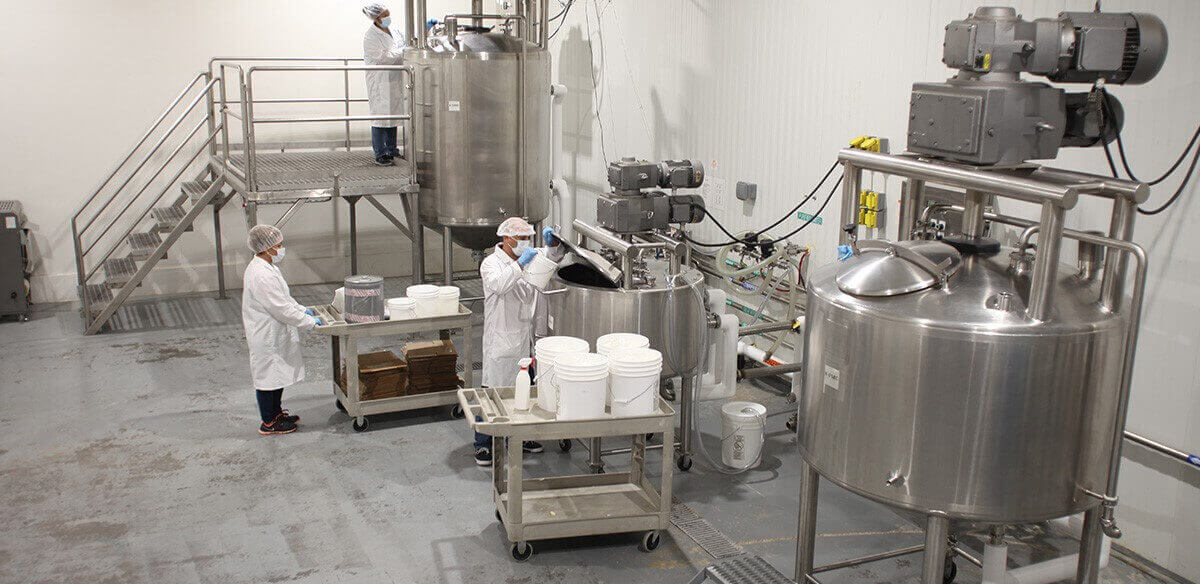
If you walk onto most pharmaceutical or cosmetic production floors and ask someone what makes an ointment or cream hard to manufacture, you’ll rarely hear, “the formula.” Once a formulation is developed, it tends to stay fairly fixed. The real changes are usually around it, batch to batch, season to season, sometimes even shift to shift. It is basically how well the equipment handles the steps around that formulation. And that’s the real story of an Ointment Cream Manufacturing Plant: it isn’t just one machine solving one issue; it’s a chain of choices, each one can quietly unravel what came just before.
The Phase Problem Nobody Mentions Enough
Every ointment or cream begins as two separate worlds, an oil phase and a water phase, and they don’t really care to mingle. Making them lock together into a steady, even product depends on temperature in sync between the two phases, the way they get combined, and the level of shear you apply once they finally meet. If you miss even one of those points a little, the emulsion may not fail right away. It fails later, on the shelf, three months down the line, when the product separates in a customer’s bathroom cabinet instead of in a quality control lab where it could still be detected.
This is where a lot of manufacturers discover the gap between a “mixer” and Ointment and Semi Solid Equipment, that are actually engineered for phase sensitive production. A typical mixer just applies force. Purpose built semi-solid equipment applies force in proportion, vacuum assisted where air entrapment is a real risk, high shear where dispersion is the objective, gentle handling when the active ingredient can’t tolerate aggressive agitation. In a conversation the difference can sound minor, almost academic. In a stability test six months later it is not minor.
Why Vacuum Matters More Than It Gets Credit For
Air is the quiet saboteur of semi-solid production, it gets whipped into the batch during mixing then sits, invisibly, in the paste and later shows up as pinholes in a filled tube, uneven fill weights, or a product that oxidizes faster than it should because the trapped air basically brought oxygen along with it. A properly designed Ointment Cream Manufacturing Plant pulls vacuum through the mixing and homogenizing stages on purpose, to stop this. Not as a nice-to-have add on, but as a foundational part of how the plant is built to operate
It is one of those details that feels minor until a batch fails a fill weight check, for reasons that have nothing to do with the formula, and everything to do with air nobody accounted for.
Homogenizing Is Where The Feel And Body Get Decided
Temperature and phase-mixing get most of the attention, but the last texture, the actual thing a customer feels when they open the jar, it mostly comes down to homogenizing. Particle size, droplet distribution, that specific glide a good cream has versus the slightly grainy feel of a not-so well processed one, all of it traces back to how reliably the homogenizer breaks down the emulsion after mixing.
And it is right here that formulation differences show up the most sharply. A lightweight lotion-cream needs different shear intensity than a dense, occlusive Ointment and Semi Solid Equipment that cannot adjust for that mismatch ends up compromising one product category to favor the other, which is exactly why semi-solid equipment made with adjustable homogenizing parameters tends to outperform fixed-setting options over the long run, particularly for manufacturers moving more than one product line through the same plant.
The Real Cost of Getting This Wrong
None of these failure points make themselves known with a loud declaration. An only slightly unstable emulsion does not fall apart inside the vessel; it passes inspection and fails in the stability chamber weeks later. A little air entrapped in the line is not going to halt the fill process; it will create a fill weight variance and be noted in the batch review records. Once these problems arise, they are no longer equipment problems. They become potential recalls, waste of material, and loss of production.
This is the true reason why spending the extra money to design an appropriately engineered manufacturing plant rather than piecing together a factory from off-the-shelf equipment pieces becomes cost-effective: The costs of ensuring proper phase control, vacuum control, and homogenizing accuracy from the start of construction are always cheaper than the costs of learning your equipment is wrong after the batch is moved downstream.
Designed for the Batch, Not Just the Demos
An appropriate Ointment Cream Manufacturing Plant cannot be judged on its performance when it is being tested for demo purposes with optimal conditions. The test of whether the equipment works is how it will function on batch four hundred, using a slightly new lot of raw material. At a plant that has been operating non-stop for six hours, there is no room for surprises. This is the standard worth designing to, and it is also the standard by which mere paper designs can be separated from real machinery.
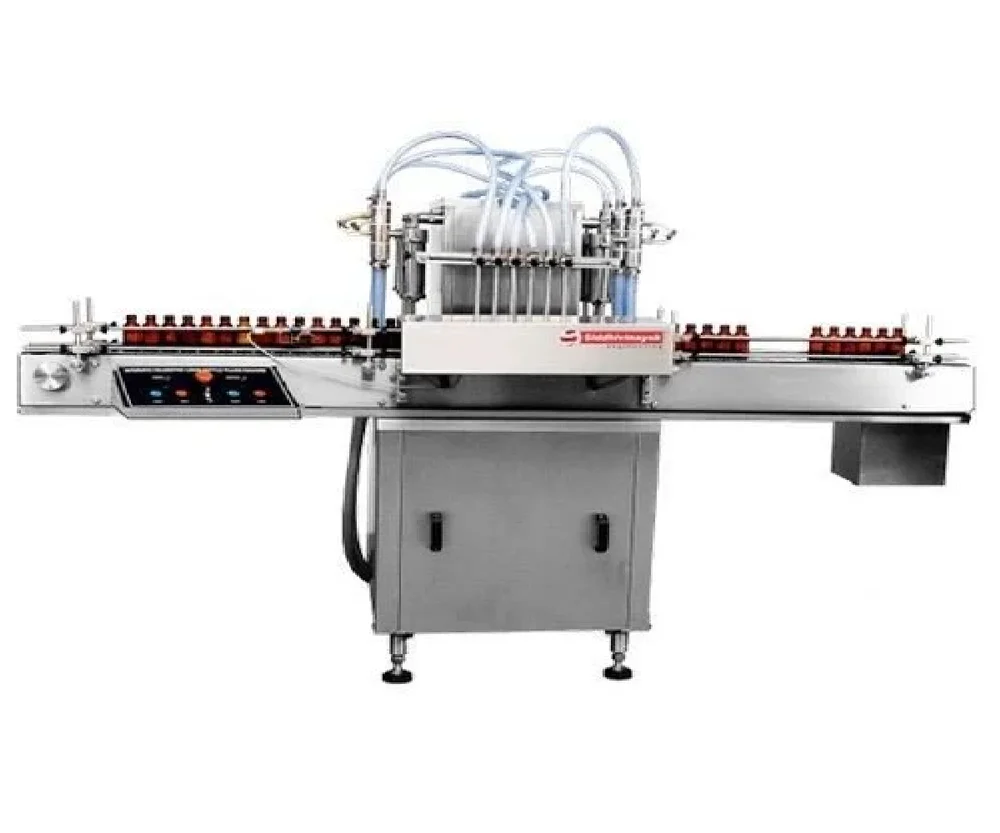
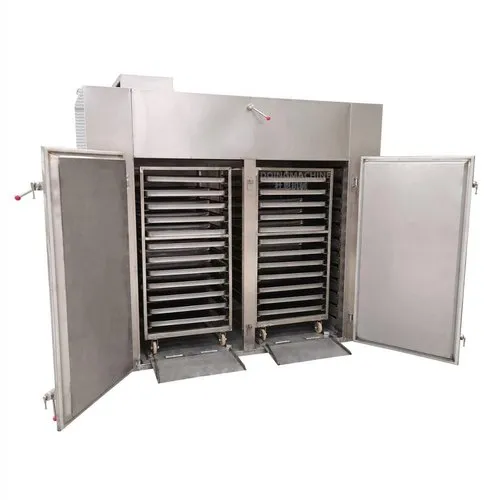
PharmaChem Cosmetics Industries is a trusted manufacturer of GMP-compliant process equipment and complete manufacturing plants for the pharmaceutical, cosmetic, chemical, herbal, nutraceutical, and food industries. With a focus on innovation, precision engineering, and uncompromising quality, we deliver reliable stainless steel processing solutions designed to maximize productivity, efficiency, and long-term performance.
