Call us: +91-8369524009 Mail us: pharmachemcosmetics@gmail.com

- Home
- About Us
- Gallery
- Blogs
- Contact Us
-
- Cosmetic Cream Manufacturing Plant
- In Line homogenizer
- High Speed Homogenizer
- Toothpaste Manufacturing Plant
- Ointment Plant
- Ointment Manufacturing Vessel
- Ointment Mixer
- Coating Pan Machine
- Vibro Sifter Machine
- Double Cone Blender
- Pharmaceutical Machinery Parts
- Medicine Making Machine
- Multi Mill Machine
- Herbal Processing Machinery
- Liquid Oral Manufacturing Plant
- Pharmaceutical Processing Plant
- Octagonal Blender Machine
- Rapid Mixer Granulator
- Oscillating Granulator
- Vial Inspection Machine
- Pharmaceutical Blender
- GMP Reactor Vessel
- Pharmaceutical Filters
- Wet Granulator
- Pharma Machinery Panel
- Hand Operated Tablet Machine
- Rotary Tablet Press Machine
- Tablet Coating Machines
- Tablet Printing Machine
- Pharmaceutical Machines
- IPC Bin Blender
- Ayurvedic Tablet Making Machine
- FLuid Bed Dryer
- Chemical Reactor Vessel
- Chemical Reactor Vessel
- 5 Kgs Fluid Bed Dryer
- Paste Preparation Vessel
- Single stage Inline Homogenizer
- Pharmaceutical Processing Equipment
- Hot Air Tray Dryers
- Herbal Medicine Making Machine
- Hot Air Tray Dryer
- Jacketed Reactors
- Fluid Bed Processor
- Jacketed Reactor Vessel
- 30 Kgs Fluid Bed Dryer
- Boiling Kettle
- Two stage Inline Homogenizer
- Tablet Making Machine
- Vacuum Tray Dryer
- Limpet Coil Reactor
- Hot Air Tray Dryer
- Limpet Coil Reactor Vessel
- 60 Kgs Fluid Bed Dryer
- Binding Kettle
- Three stage Inline Homogenizer
- Ointment Manufacturing Plant
- IPC Bin Container
- Rotary Vacuum Dryer
- Liquid Oral Manufacturing Plant
- Vacuum Tray Dryer
- GMP Reactor Vessel
- 100 Kgs Fluid Bed Dryer
- Granulation Machinery
- Four Stage Inline Homogenizer
- Pharmaceutical Packaging Machines
- Agitated Nutch Filter Dryer
- Sugar Syrup Manufacturing Plant
- Rotocone Vacuum Dryer
- Liquid Transfer Pump
- Condenser Heat Exchanger
- 120 Kgs Fluid Bed Dryer
- Granulation Equipments
- High Speed Homogenizer Micronizer
- Ayurvedic Pharmaceutical Machinery
- Agitated Nutsche Filter Dryer
- Automatic Sugar Syrup Manufacturing Plant
- Agitated Nutch Filter Dryer
- Automatic Bottle Washing Machine
- Sparkler Filter Press
- 200 Kgs Fluid Bed Dryer
- Tablet Process Equipments
- Intank Homogenizer
- Chemical Dryers
- Pulverizer Machine
- Semi Automatic Syrup Filling Machine
- Paddle Dryer Mixer
- Bottle Filling Machine
- 250 Kgs Fluid Bed Dryer
- Tablet Coating System
- Lifting Homogenizer
- Multi Mill Machine
- Liquid Manufacturing Plant
- Zero Hold Up Filter Press
- Vibro Sifter
- ROPP / Screw Capping Machine
- 300 Kgs Fluid Bed Dryer
- Pharmaceutical Process Equipments
- IPC Lifting Positioning Device
- Co Mill Machine
- In Line Homogenizer Zero Hold Up Filter Press
- Powder Handling Systems Equipment
- Multi Mill Machine
- Pick & Place / Cap Feeding System
- 500 Kgs Fluid Bed Dryer
- Chemical Process Reactor
- IPC Bin Lifter
- Hammer Mill Machine
- Octagonal Blender
- Labeling Machine
- Lotion Manufacturing Plant
- Automatic Fluid Bed Dryer
- Shell and Tube Heat Exchanger
- Centrifuge Machine
- Air Jet Mill Micronizer
- Double Cone Blender
- Induction Sealing Machine
- Fluidized Bed Dryer
- Starch Paste Kettle
- Shell and Tube Condenser
- Centrifuge Extractor
- Colloid Mill Machine
- Ribbon Blender Mixer
- Batch Coding Machine
- 12 Tray Vacuum Tray Dryer
- Cosmetics Cream Manufacturing Plant
- Inline Homogenizer
- Herbal Extraction Vessel
- IPC Bin Blender
- Chemical Process Equipment
- Bottle Inspection Machine
- 24 Tray Vacuum Tray Dryer
- Electric Heated Tray Dryer
- Conta Bin Blender
- Cartoning Machine
- 48 Tray Vacuum Tray Dryer
- Electric Heated 12 Tray Dryer
- IBC bin
- Automatic Packaging Machine
- Electric Heated 24 Tray Dryer
- Nauta Mixer
- Conveyor System
- Electric Heated 48 Tray Dryer
- Paddle Mixer
- Electric Heated 96 Tray Dryer
- Rapid Mixer Granulator
- Electric Heated 192 Tray Dryer
- Hammer Mill
- Electric Heated GMP Tray Dryer
- Air Jet Mill
- Electric Heated Non GMP Tray Dryer
- Tablet Coating Pan
- Steam Heated 12 Tray Dryer
- Conventional Coating Pan
- Steam Heated 24 Tray Dryer
- Chemical Reactor Vessel
- Steam Heated 48 Tray Dryer
- Jacketed Reactor Vessel
- Steam Heated 96 Tray Dryer
- Limpet Coil Reactor Vessel
- Steam Heated 192 Tray Dryer
- GMP Reactor Vessel
- Steam Heated GMP Tray Dryer
- Liquid Oral Manufacturing plant
- Steam Heated Non GMP Tray Dryer
- Sugar Syrup Manufacturing Plant
- Ointment Cream Manufacturing Plant
- Contra Rotary Mixer
No matching products found -
- Home
- About Us
- Gallery
-
Pharmaceutical Machines
- Coating Pan Machine
- Vibro Sifter Machine
- Double Cone Blender
- Pharmaceutical Machinery Parts
- Medicine Making Machine
- Multi Mill Machine
- Herbal Processing Machinery
- Liquid Oral Manufacturing Plant
- Pharmaceutical Processing Plant
- Octagonal Blender Machine
- Rapid Mixer Granulator
- Oscillating Granulator
- Vial Inspection Machine
- Pharmaceutical Blender
- GMP Reactor Vessel
- Pharmaceutical Filters
- Wet Granulator
- Pharma Machinery Panel
- Pharmaceutical Processing Equipment
- Fluid Bed Processor
- FLuid Bed Dryer
- Chemical Process Equipment
- Ointment Manufacturing Plant
-
Pharmaceutical Packaging Machines
- Hand Operated Tablet Machine
- Rotary Tablet Press Machine
- Tablet Coating Machines
- Tablet Printing Machine
- IPC Bin Blender
- Hot Air Tray Dryers
- Tablet Making Machine
- IPC Bin Container
- Liquid Transfer Pump
- Automatic Bottle Washing Machine
- Bottle Filling Machine
- ROPP / Screw Capping Machine
- Pick & Place / Cap Feeding System
- Labeling Machine
- Induction Sealing Machine
- Batch Coding Machine
- Bottle Inspection Machine
- Cartoning Machine
- Automatic Packaging Machine
- Conveyor System
- Ayurvedic Pharmaceutical Machinery
- Vacuum Tray Dryer
-
Chemical Dryers
- Hot Air Tray Dryer
- Rotary Vacuum Dryer
- Agitated Nutch Filter Dryer
- Agitated Nutsche Filter Dryer
- Pulverizer Machine
- Multi Mill Machine
- Co Mill Machine
- Hammer Mill Machine
- Air Jet Mill Micronizer
- Colloid Mill Machine
- Electric Heated Tray Dryer
- Electric Heated 12 Tray Dryer
- Electric Heated 24 Tray Dryer
- Electric Heated 48 Tray Dryer
- Electric Heated 96 Tray Dryer
- Electric Heated 192 Tray Dryer
- Electric Heated GMP Tray Dryer
- Electric Heated Non GMP Tray Dryer
- Steam Heated 12 Tray Dryer
- Steam Heated 24 Tray Dryer
- Steam Heated 48 Tray Dryer
- Steam Heated 96 Tray Dryer
- Steam Heated 192 Tray Dryer
- Steam Heated GMP Tray Dryer
- Steam Heated Non GMP Tray Dryer
- Liquid Manufacturing Plant
-
Powder Handling Systems Equipment
- Hot Air Tray Dryer
- Vacuum Tray Dryer
- Rotocone Vacuum Dryer
- Agitated Nutch Filter Dryer
- Paddle Dryer Mixer
- Vibro Sifter
- Multi Mill Machine
- Octagonal Blender
- Double Cone Blender
- Ribbon Blender Mixer
- IPC Bin Blender
- Conta Bin Blender
- IBC bin
- Nauta Mixer
- Paddle Mixer
- Rapid Mixer Granulator
- Hammer Mill
- Air Jet Mill
- Tablet Coating Pan
- Conventional Coating Pan
- Chemical Reactor Vessel
- Jacketed Reactor Vessel
- Limpet Coil Reactor Vessel
- GMP Reactor Vessel
- Liquid Oral Manufacturing plant
- Sugar Syrup Manufacturing Plant
- Ointment Cream Manufacturing Plant
- Contra Rotary Mixer
- Lotion Manufacturing Plant
- Starch Paste Kettle
-
Inline Homogenizer
- Single stage Inline Homogenizer
- Two stage Inline Homogenizer
- Three stage Inline Homogenizer
- Four Stage Inline Homogenizer
- High Speed Homogenizer Micronizer
- Intank Homogenizer
- Lifting Homogenizer
- IPC Lifting Positioning Device
- IPC Bin Lifter
- Centrifuge Machine
- Centrifuge Extractor
- Herbal Extraction Vessel
-
More Categories
▼
- Blogs
- Contact Us
- 25 Aug, 2026
- By Pharmachem
While heat may have its place in pharma manufacturing, it is perhaps one of the more unusual tools used for the process, in that while it is required to remove moisture from a formulation, it may well be the one thing that has the ability to destroy whatever it is supposed to help. From being wet enough to be unstable, to dry enough to be used effectively, there is an exact point which needs to be reached without fail, and this is the area that three related but different pieces of equipment have their roles in.
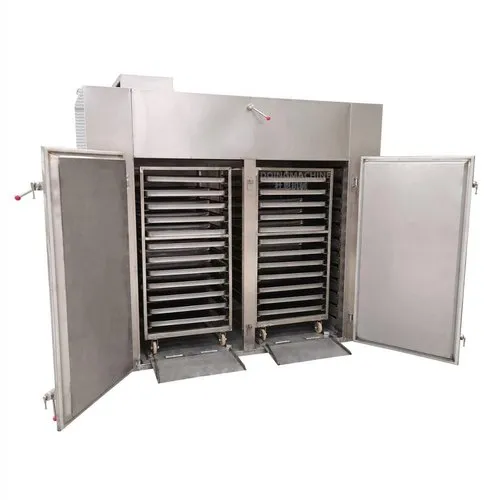
The Tray Dryer: A Deceptively Straightforward Device
While the premise of the tray dryer is rather simple, it is in the execution that much more work goes into this device than many might suspect. While the principle of the tray dryer is based on the spreading of materials on trays, the flow of warm air over them, and the removal of moisture through evaporation, this requires quite a bit more than just those steps.
Fail to get that right, and what you'll end up with is a classic case of having too much of a good thing — while some of the material comes out completely dry, other material still retains some of its moisture content despite being subjected to the process. Needless to say, such inconsistencies are anything but a minor problem for any manufacturer dealing with granules, powders, or herbal ingredients processed in tray dryers.
When Heat Themselves Become the Problem
There are cases when some materials just aren't suited for use in conventional tray dryers. Materials sensitive to the effects of high temperatures, some herbal extracts, as well as some nutraceutical compounds start deteriorating before they even have a chance to dry properly. That's exactly the problem that the vacuum tray dryer is supposed to solve.
That's because, under reduced pressure, the water will evaporate at lower temperatures compared to standard atmospheric pressure. The net effect is the fact that, while achieving the same result, the vacuum tray dryer can do so using only a fraction of the heat used by the conventional machine. In the case of formulations that cannot afford losing their quality, that's not an option anymore.
Some of what vacuum tray drying does quietly protect are as follows:
- Heat-sensitive APIs that could not survive at normal drying temperatures
- Herb extracts, where high temperature could remove the ingredients that were needed in the first place
- Stability and color in cosmetic or nutraceutical powders which tend to oxidize under heat
- Ingredients which cannot handle any kind of heat due to moisture content
The Rotocone Vacuum Dryer: Drying and Mixing Simultaneously
Taking vacuum drying one step further gives way to the rotocone vacuum dryer, a solution to a problem vacuum tray drying cannot solve. Normal tray dryers have stationary material within a moving air stream. It is okay for granules or powders; however, some materials that require continuous movement during drying will not be properly dried in a normal tray dryer. Examples include pastes, wet cakes, or filter media, which would otherwise clog up when not allowed movement in the process.
Rotocone Vacuum Dryer uses rotation along with a vacuum-assisted drying technique, where the material is continuously rotating inside the vessel while pressure is lowered. This process will prevent clumping and provide an even drying condition for all parts of the material in question.
This dual action makes the rotocone particularly valuable for:
- Filter cake drying, where material tends to compact and resist even moisture removal
- Solvent recovery applications, where vacuum conditions also help reclaim valuable solvents
- Formulations prone to clumping under standard tray-based drying
- Processes where mixing and drying genuinely need to happen together, not in separate steps
It's Not a Question of Which Is Better
In actuality, none of the three are superior to each other in any way — the differences between them are dictated by the need to tackle a variety of problems. In situations where heat tolerance isn't an issue, a tray dryer will handle ordinary granules and powders very well. When temperatures need to be controlled precisely, it's time for a vacuum tray dryer. But a rotocone vacuum dryer is called for in situations when material behavior necessitates constant movement during the process.
The Role of Drying Machinery
Drying machinery that does its job well will have one thing in common no matter whether it's a tray, a vacuum tray, or a rotocone: it will become practically invisible once the batch is processed successfully. No one will pay attention to the fact that it dried properly, retained all of its potency, and got to the next step easily.
Regardless of which one of the options will give the desired result, there will only be one fundamental question: how do you dry a product without losing any of the qualities that made it valuable in the first place?
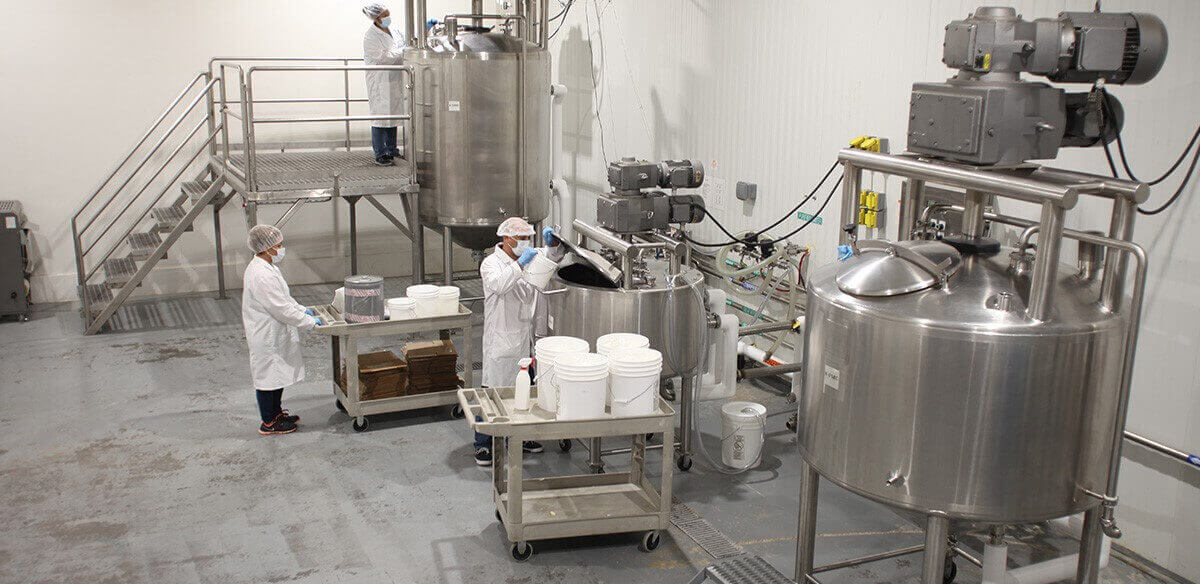
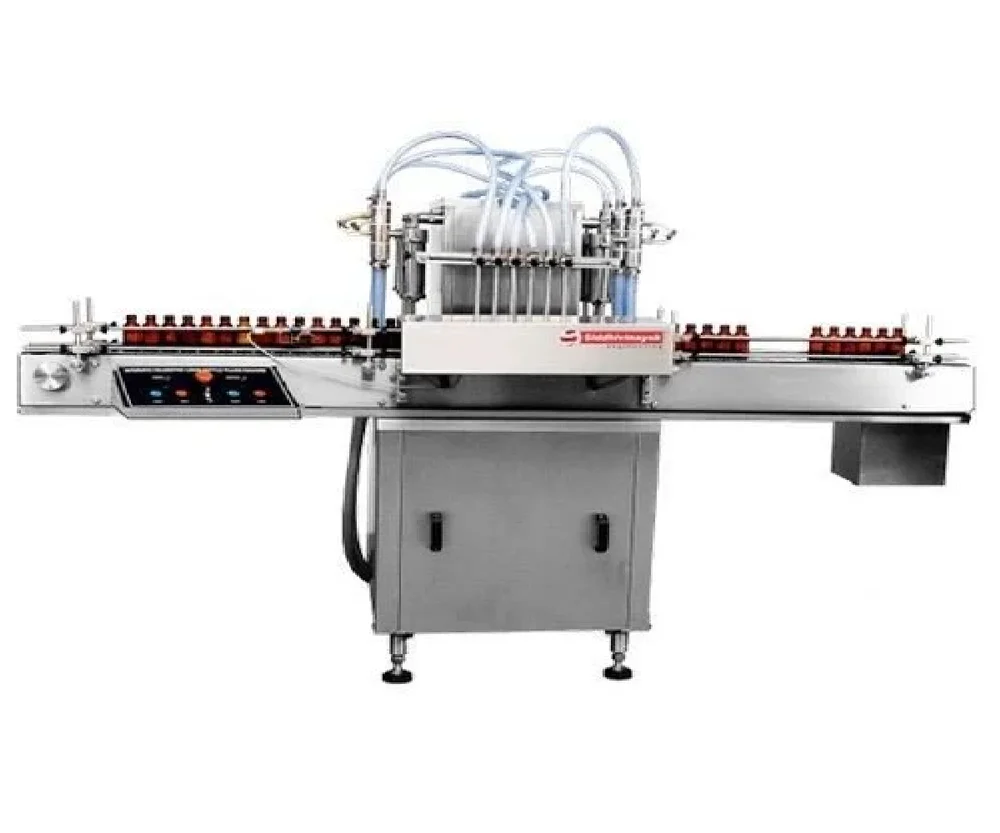
PharmaChem Cosmetics Industries is a trusted manufacturer of GMP-compliant process equipment and complete manufacturing plants for the pharmaceutical, cosmetic, chemical, herbal, nutraceutical, and food industries. With a focus on innovation, precision engineering, and uncompromising quality, we deliver reliable stainless steel processing solutions designed to maximize productivity, efficiency, and long-term performance.
